The Emmys Hijack
OOH Takeover
Real-Time OOH Hijack
DIRECTV needed to remind cord-cutters why live TV still matters. The Emmy Awards were coming up, and we saw a chance to turn Hollywood's biggest night into a proof point for the brand.
The Insight
The Emmys celebrate the best in television. But to truly experience them, you need to watch live. The second-screen experience of Twitter reactions and spoilers doesn't compare to seeing the moment as it happens.
DIRECTV could own that message—in the most visible way possible.
The Execution
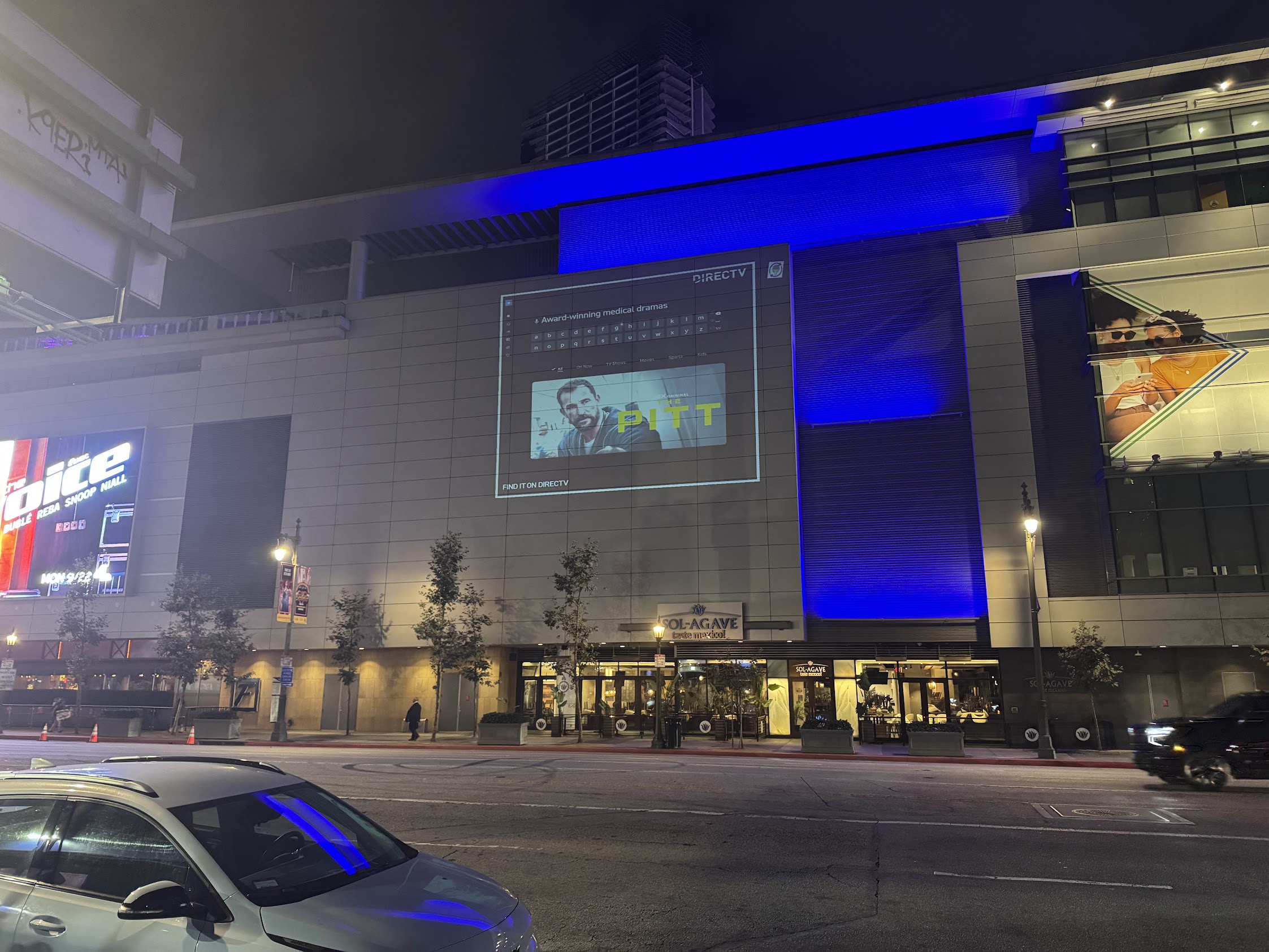
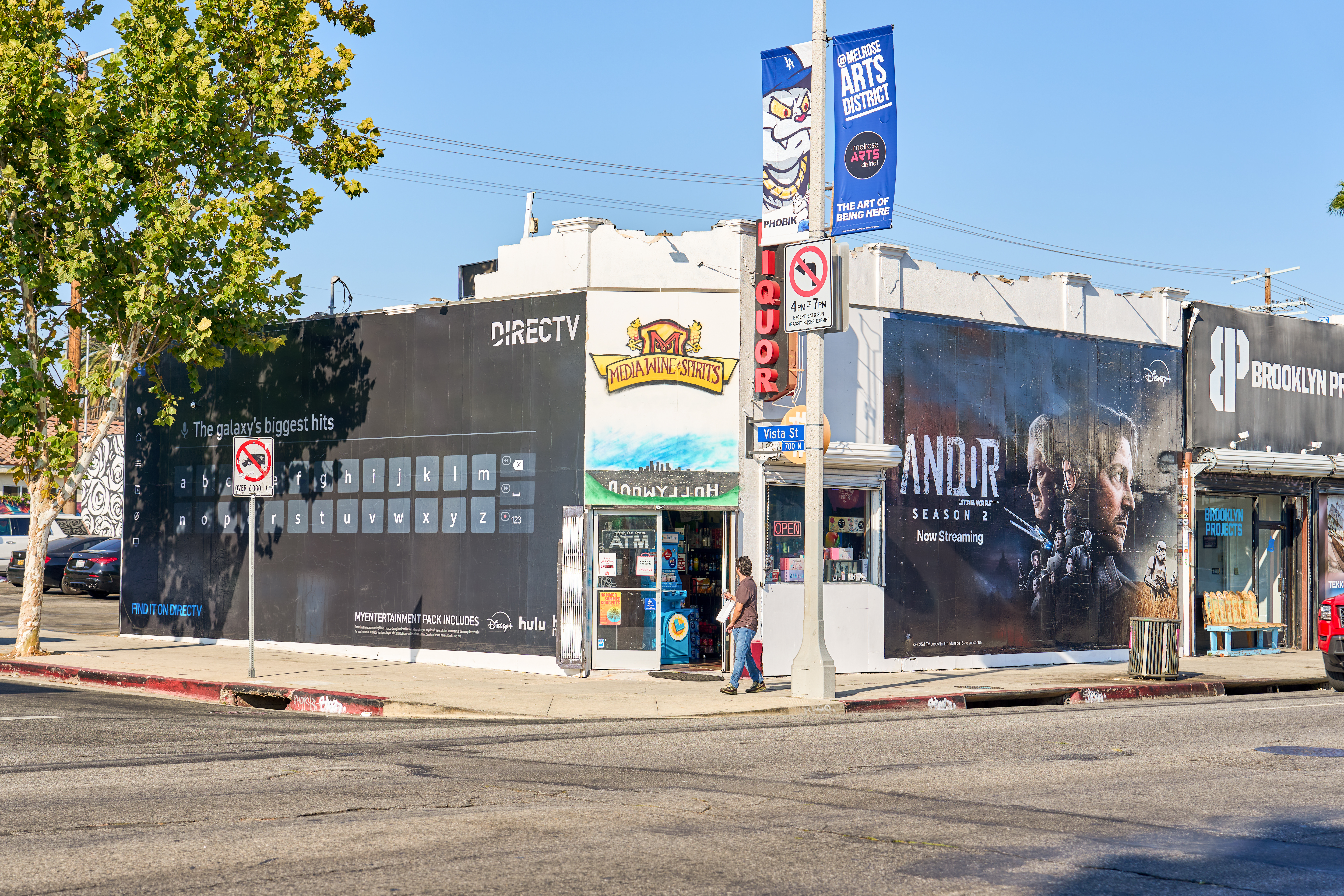
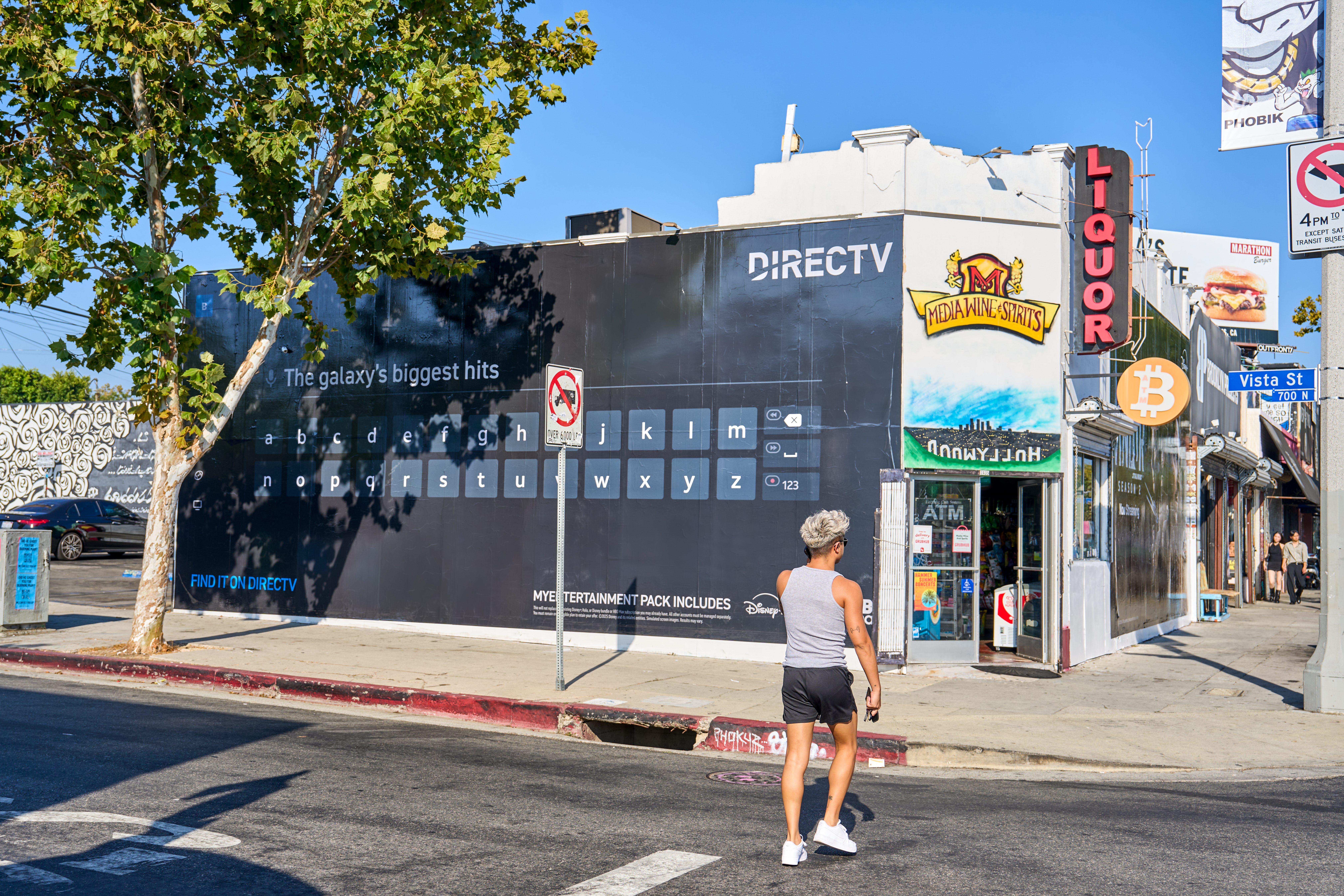
We locked down premium OOH throughout Hollywood—billboards along the red carpet route, digital screens in the entertainment district, wraps visible from the Peacock Theatre itself.
The twist was real-time updates. "Congrats, Bear" went up minutes after Jeremy Allen White won. "History Made" ran the moment Shogun swept. Each update was a reminder: this is the moment you miss when you’re not watching live.
My Role
As Senior Connections Strategist at TBWA\Chiat\Day LA, I ran point on the Emmys Hijack from concept to execution. I scouted and mapped OOH locations throughout Hollywood, identifying the spots that would get maximum eyeballs during the awards. I built the media sequencing that let our creative update in real-time—not simple logistically, which required tight coordination with our OOH partners to pull off.
I wrote the briefs, handled rapid client approvals, and kept Creative, PR, and Media aligned so every piece reinforced the same message. I also spotted the Rotten Tomatoes homepage takeover as a way to extend our reach into the post-Emmy conversation. This campaign moved fast and required all the pieces to work together—and they did.
The Impact
Industry insiders shared photos of the real-time updates all night, generating earned media we never paid for. Among entertainment-obsessed Angelenos—exactly the cord-cutters DIRECTV needed to reach—it landed. DIRECTV owns live moments. This campaign proved it.
DIRECTV Like You've Never Seen It
DIRECTV had transformed—from satellite provider to streaming-first platform. The problem: everyone still pictured the dish. This campaign had one job: introduce the new DIRECTV to a world that thought they already knew what DIRECTV was.
The Insight
People had strong memories of DIRECTV—the satellite dish, the installation, the commitment. But they didn't know about the new DIRECTV: streaming, flexibility, no dish required. We needed to reset expectations entirely.
The Execution
A campaign that leaned into the transformation with humor and celebrity power. We showed viewers that this wasn't their parents' DIRECTV—it was something entirely new, built for how people watch today.
Multiple spots highlighted different aspects of the new experience: the content, the flexibility, the sports, and the simplicity.
My Role
As Senior Connections Strategist, I built the media approach that put the new DIRECTV in front of cord-cutters and cord-nevers—the people who had written off the brand entirely. I identified which audience segments were carrying the most outdated perceptions and found the media environments where we could reach them with something that changed their mind.
I worked on the channel mix across connected TV, streaming, social, and digital video—making sure our spots landed in the right context to feel relevant, not retro. I also built out competitive conquesting strategies to get in front of people actively shopping other streaming services. The campaign drove a 41% lift in brand awareness. Most recalled in the category. That’s not an accident.
Campaign Spots
The Impact
The campaign moved the needle with cord-cutters and cord-nevers. Celebrity-led entertainment got people to watch; the product story changed what they thought. Brand consideration among younger audiences jumped—which was the whole point.

Campaign Spot
Nothing On Your Roof 2.0
The sequel to a successful campaign that made one thing crystal clear: you can get all of DIRECTV's premium content without a satellite dish. Period.
The Insight
The biggest barrier to DIRECTV consideration was still the dish. People assumed they'd need one. They assumed installation headaches. They assumed commitment. All wrong.
We needed to hammer this message home one more time—with even more impact.
The Execution
Building on the success of the original "Nothing On Your Roof" campaign, 2.0 took the message further with new talent, new scenarios, and new humor. The simplicity of the message—no dish required—remained the hero.
My Role
As Senior Connections Strategist, I built the media strategy specifically around the dish skeptics—the people who, when asked about DIRECTV, still imagined an installation truck pulling up to their house. I dug into brand tracking to find out exactly who those people were and built targeting strategies to get in front of them.
I identified the placement contexts where the old satellite associations were most likely to be active—live sports, appointment TV, those couch moments when people actually think about how they’re watching—and put our "no dish" message there. We moved the number: a 34% reduction in the dish perception barrier and a real lift in consideration.
The Impact
Tracking showed a measurable drop in the number of people who still thought they needed a satellite dish for DIRECTV. The barrier got smaller. Consideration went up. That's the job done.