No Ordinary Athlete
Gatorade owns sports. But to stay relevant with younger audiences, the brand needed to show up somewhere beyond the playing field. Stranger Things Season 5 was approaching—one of the most-watched shows on the planet—and it had a natural connection to Gatorade's actual 1980s history. We could go back to the vault and make it feel genuinely new.
"No Ordinary Athlete" was a play on Gatorade's iconic "No Ordinary Thirst Quencher" campaign from the '80s. We gave the vintage jingle new life in the Upside Down, leaning into the retro Hawkins vibe—neon, nostalgia, a little supernatural weirdness—in a way that felt earned, not just nostalgic for its own sake.
Campaign Rollout
Full Campaign Ecosystem
Films
OOH
Myles Garrett Mobile Billboards
(CLE v SF)
Social
NFL Christmas Day Lockers
Glass Bottle Teaser
Reddit Category & Keyword Takeovers
Merch
T-Shirt, Towel, Glass Bottle
Drop 2: Upside Down Capsule
Vintage Satin Jacket (80s-inspired with Hawkins High School patch & Upside Down interior lining)
Sideline Towel (multicolored string lights, co-branded details)
Collectible Glass Bottle (Lemon-Lime, Upside Down label, individually numbered #1–1,100)
The Insight
Stranger Things' heroes aren't conventional athletes, but watch what they actually do—Eleven's psychic powers burn through her physically. The kids spend every season running, fighting, and pushing past what their bodies can handle. They perform when it matters most. That's the Gatorade story.
Narrated by Myles Garrett—Cleveland Browns defensive end and, genuinely, a massive Stranger Things fan—the campaign shows what Gatorade fuels: not just real-world athletic performance, but anything that demands everything you've got.
"Grab your scrunchies and tube socks because Gatorade is going full-on '80s in collaboration with Stranger Things ahead of its fifth and final season. The collab — complete with the return of the discontinued Citrus Cooler flavor and two vintage-inspired merch capsules — perfectly captures the retro Hawkins vibe full of neon, nostalgia, and the supernatural Upside Down."— Lyda Cosgrove, Her Campus
"No Ordinary Athlete."— Campaign Tagline
The Execution
We built limited-edition bottles in the Upside Down aesthetic—flickering lights, demogorgon shadows, that red-and-black palette. The glass bottle return was a centerpiece of the whole thing: collectible, nostalgic, the kind of product that gets people talking before the ad even runs.
The campaign ran across digital, social, TV, OOH, and in-store, positioning the Stranger Things cast as athletes pushing their limits in extraordinary circumstances. We made "training" content showing the kids preparing for their battles, fueled by Gatorade. Every drop was sequenced to keep fans hunting for easter eggs and connections to the show. The brand became part of the Stranger Things universe, not just a sponsor outside it.
We also brought back the discontinued Citrus Cooler flavor as a limited-time offering, which hit the nostalgia nerve hard and got food and beverage media to cover the story organically.
"The [glass bottle] comeback is a centerpiece of Gatorade's "No Ordinary Athlete" campaign, a modern revival of its classic 1987 "No Ordinary Thirst Quencher" ads. With an Upside Down twist, the campaign merges sports culture, retro design, and Stranger Things nostalgia."— Shawn Grant, The Source
My Role
As Senior Connections Strategist at TBWA\Chiat\Day LA, I built the connections strategy that made this partnership land as more than a licensed logo slap. I developed the channel approach that put our content on Netflix's historic Christmas Day NFL games—a moment where sports fans and Stranger Things superfans actually overlapped, which doesn't happen by accident.
I coordinated paid media flights with the merchandise drops (the 1987 Hawkins Capsule and Upside Down Capsule) so fans got a consistent story everywhere they looked. I worked closely with PR to drive coverage across marketing and trade press, using the campaign's nostalgia angle to get stories placed at outlets like Marketing Dive and Food & Beverage Magazine without having to offer executive interviews.
I identified social amplification opportunities with cast members and built the influencer seeding strategy that got collectible bottles into the hands of superfans who spread the word on their own. We timed the capsule drops to episode airings, with social support from Megan Behnke (PopCulture) and Rebecca Lobo (ESPN).
Of all the Stranger Things brand partnerships that season, Gatorade drove the strongest positive sentiment and highest volume of mentions. That was the goal.
Earned Media & PR
The PR approach focused on the nostalgia and pop-culture angles to earn coverage beyond a standard brand announcement. We got Marketing Dive and Food & Beverage Magazine without offering executive access—the story sold itself.
For the consumer side, we seeded the Citrus Cooler return to food and lifestyle media—Delish, Allrecipes, Her Campus all picked it up and shared the excitement organically across their platforms.
Myles Garrett's genuine love for Stranger Things was real, and we used it. His authentic fandom led to interview coverage from Yahoo! Sports, Sports Illustrated, and NBC—not paid placements, real editorial interest.
Launch Social Conversation
Gatorade saw the strongest positive sentiment and largest volume of mentions across similar Stranger Things partnerships. At launch, we generated 5.3K mentions with 1B potential impressions and 96% net positive sentiment—outperforming competitors like KFC (74%), Coke (92%), Eggo (80%), Tide (66%), Doritos (78%), and Discover (69%).
Conversation Themes
Phased rollout kept fans engaged: Releasing our content in phases, beginning with a teaser before Volume 1 dropped, had fans hungry for each drop after, analyzing our content for potential easter eggs and connections to the show, making the brand an essential part of the Stranger Things universe.
Authentic 80s branding induced nostalgia: Fans of all ages showed a feverish desire to get their hands on the glass bottles. Older fans reminisced on the products that remind them of their youth, while younger fans wanted to get a taste of the retro aesthetic.
Exclusive drops sustained momentum: The limited-edition nature of the capsules created urgency and FOMO, driving record traffic and sign-ups. The Hawkins Drop saw the single highest hour of traffic ever recorded on Gatorade.com with 22.5K sessions hitting the site between 9-10am CT.
(Organic + Paid)
(Organic + Paid)
(Organic + Paid)
Sentiment
Mentions
Influencer Performance
The influencer strategy put the right products in front of the right audiences. Khleo Thomas was the standout for Drop 1—180K views across TikTok and IG, high-production editing and visual effects that built a genuinely cinematic moment around the glass bottles and merchandise.
Valentino stood out for Drop 2 with his fashion-forward take on the kit, spotlighting apparel and accessories—a non-traditional Gatorade product—resulting in fresh, unexpected, and highly engaging content.
TV & OOH Performance
Gatorade secured a :30s unit in the Vikings vs Lions Christmas Day game in a unique 80's themed pod that ran during halftime. Brands alongside Gatorade with Stranger Things creative included Discover, Tide, and Target. The Netflix desk commentator set the stage: "Stranger Things fans, rewind your clocks to 1987, because things are about to get very strange..."
The game became the most-streamed NFL game in US history, averaging 27.5 million viewers, with US viewership peaking at over 30M viewers during the halftime show. Snoop's Holiday Halftime Party brought in an average of 29M viewers in the US.
(Most-Streamed NFL Game)
(During Halftime)
Average Viewers
Drop Performance
Drop 1 and Drop 2 combined to be the most successful drops in Gatorade history with the most saves on any post, the most sign ups, the fastest sellouts AND the highest price point.
Traffic Stats:
- The Hawkins Drop PDP page was visited by 386K users while the Upside Down Drop page had 132K users
- The Hawkins Drop saw the single highest hour of traffic ever recorded on Gatorade.com with 22.5K sessions hitting site between 9-10am CT
- The Hawkins and Upside Down Drops saw the highest and 2nd highest Organic Search traffic days of all time on Gatorade.com
- 30,019 organic search sessions on Hawkins Drop Day (+531% higher than FY25 Daily Average)
- 14,114 organic search sessions on Upside Down Drop Day (+204% higher than FY25 Daily Average)
GiD Sign Up Stats:
- 19,715 GiD Sign-ups generated from both capsules (pre and post-drop state)
- 14,363 from the Hawkins Drop #1 (4,738 on Drop Day)
- 5,316 from the Upside Down Drop #2 (1,514 on Drop Day)
The Impact
The bottles sold out within days. The campaign drove more conversation among Gen Z consumers than any previous Gatorade partnership—and it shifted how that audience thinks about the brand. Not just a sports drink. A cultural artifact.
The nostalgia storytelling and athlete interviews reached across sports and entertainment simultaneously. The exclusive drops and glass bottle return kept momentum going week over week instead of flaring out after the launch announcement.
Gatorade posts showed up organically on the Stranger Things and Myles Garrett accounts, bringing in millions of additional views from fans the paid media never reached. The "El's Battery" video alone hit almost 6 million views on Instagram, with nearly 10K shares on TikTok.
All The Reasons Not to Quit
Working with NFL Films, we told stories about teams that kept showing up even when they shouldn't have—the ones that lost for years and kept coming back anyway. It's the soul of what Gatorade is actually about.
The Insight
There's a team that lost for 10 years straight. Season after season of heartbreak. But they never stopped showing up. They never stopped believing. They never stopped fighting for that next win.
Their story is Gatorade's story: fuel the fight, not just the victory.
"The hardest thing isn't winning. It's deciding to keep going when you haven't."— Campaign Insight
The Execution
With NFL Films, we made documentary-style content that followed players through their worst moments before the turn came. The production quality was real—no staged inspiration, just footage that actually happened.
The campaign went beyond traditional advertising into behind-the-scenes features, player profiles, and real stories that worked across platforms on their own terms.
My Role
As Senior Connections Strategist, I built the distribution strategy for the documentary series—mapping the rollout cadence, finding the platforms and moments where the emotional weight would land hardest, from social teasers that built anticipation to Today Show coverage that brought the story to mainstream audiences.
I worked with our PR team to pitch exclusive angles to sports and culture outlets, and identified community partnership opportunities—schools, youth sports organizations, coaching networks—that could carry the "never quit" message further than traditional advertising would. Sometimes the best media strategy is getting the right people talking about something because it means something to them.
Campaign Spots
The Impact
The campaign reinforced what Gatorade has always been at its best—not just a drink, but a symbol of the will to keep going. NFL Films brought the storytelling credibility that makes sports fans actually pay attention.
The emotional response was real, and the campaign earned recognition for it.
Thirst Quencher
Lower Sugar — Launch Week
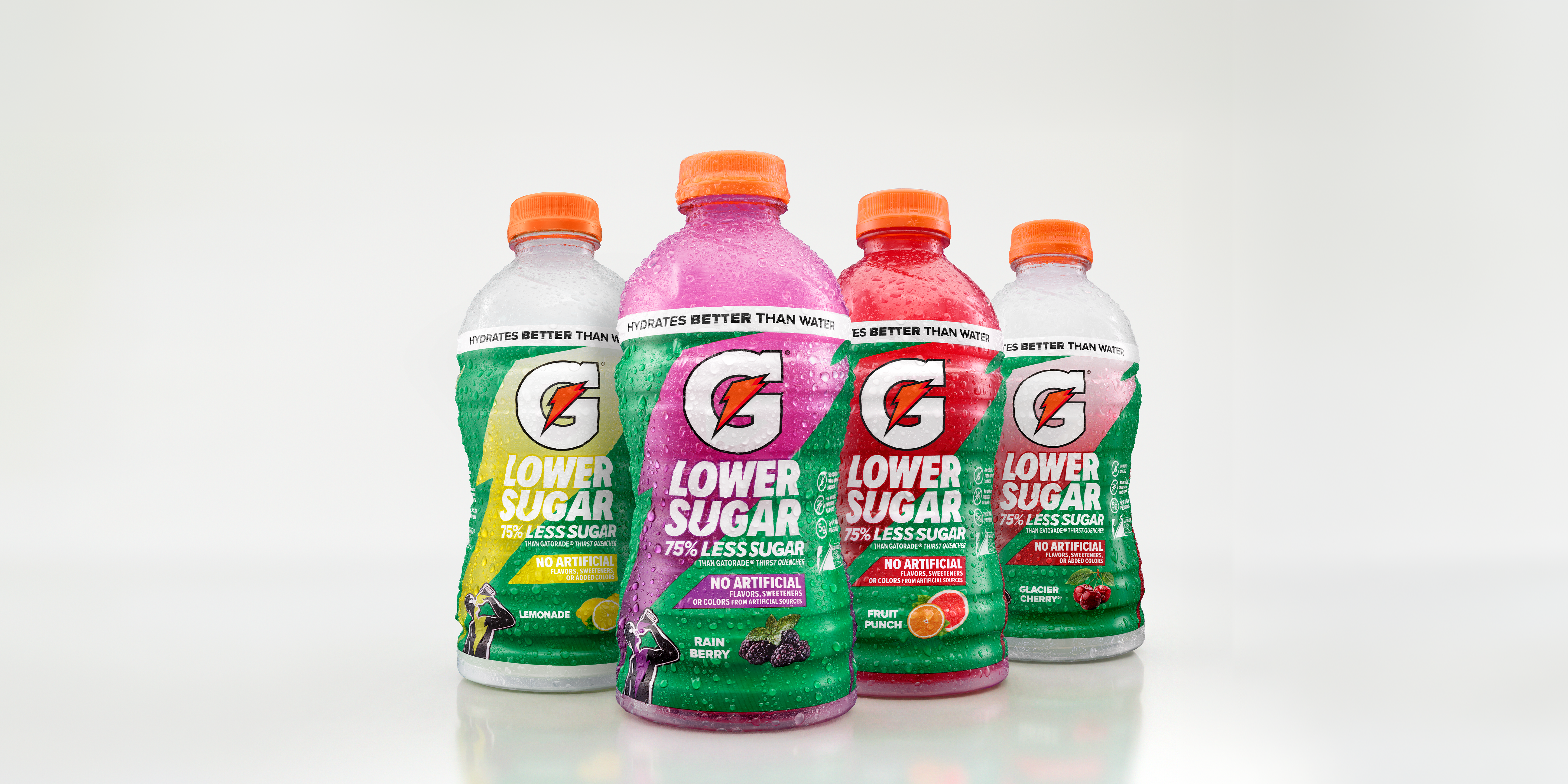
Launching a lower-sugar Gatorade is tricky. Serious athletes have strong opinions about what they put in their bodies, and "lower sugar" has historically meant "watered down." This wasn't a flavor extension—it was an actual repositioning: all the fuel, none of the compromise.
The Challenge
The category had trained athletes to be skeptical. "Lower sugar" sounds like a trade-off, and these consumers had been disappointed before. We needed to launch a product that actually performed and convince a skeptical audience of that fact—without hedging.
The key was reaching people when they were already thinking about performance and nutrition—not interrupting a scroll, but showing up during an active moment of intent.
The Strategy
Instead of broadcasting broadly, I built targeting around intent signals—finding consumers who were already researching nutrition, fitness, and hydration. The in-app format caught them mid-search, which is a very different audience than someone watching a TV spot.
Messaging was specific: not "lower sugar" as a compromise, but "lower sugar, same performance" as a product truth. Athletes don't want less. They want smarter.
"All the fuel. None of the compromise."— Campaign Platform
Campaign Film
The Campaign
The campaign centered on a striking visual concept: a black-and-white world where Gatorade's brand colors—and the energy of movement—were the only things in color. Narrated by WNBA legend Candace Parker, it featured dancers Witney Carson and Charly Barby, choreographer Roland Pollard, TV host Tayshia Adams, and Caitlin Clark, each embodying the "no compromise" platform through movement and performance.
The visual language made an argument without saying it: a colorless world is a world of trade-offs. Gatorade breaks through in color. So does your performance.
Campaign Visuals
Launch Week Execution
Launch week ran across in-app placements timed to pre-workout, post-game browsing, and health app usage. Creative rotated between proof-point messaging (electrolytes, hydration performance) and lifestyle content that made the lower-sugar choice feel like a natural part of a serious athlete's routine.
We tracked brand lift, purchase intent, and message recall—the metrics that actually tell you whether the positioning is landing with a skeptical audience, not just getting views.
"Gatorade Lower Sugar gives fans all the fuel they need without compromise, and we're thrilled to bring this to life in a way that's as dynamic and bold as the athletes who inspire us."— Anuj Bhasin, SVP of Marketing, Gatorade
My Role
As Senior Connections Strategist, I led the media planning and in-app placement strategy for the Lower Sugar launch. I built the targeting framework that matched our consumer mindset to the right digital environments, mapped the launch week cadence, and worked with creative to make sure the ad formats gave the product story enough space to actually land.
I also built the measurement framework—defining what success looked like at launch week versus the sustained phase, and identifying the early signals that would tell us whether the "no compromise" positioning was working before we were weeks in.
The Impact
The launch week results backed the strategy. In-app placements at high-intent moments drove stronger brand lift than broadcast-only approaches, and the "no compromise" message cut through in a category full of hedged claims. Going into sustained distribution, Gatorade Lower Sugar was positioned as a performance upgrade—not a diet version of the real thing.
 MET Gala · May 4, 2026
focuses on women
The Insight
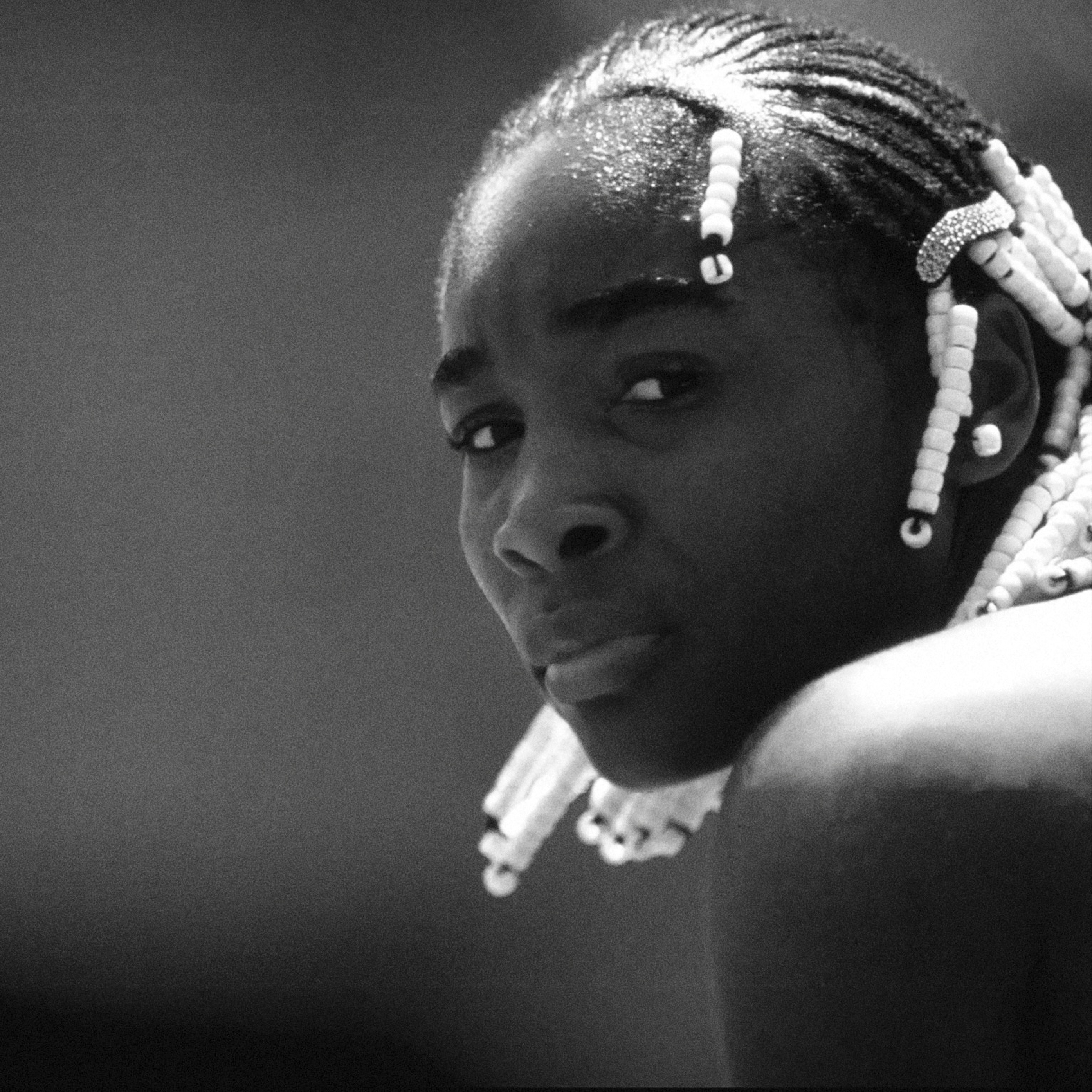
Only 6% of sports science research focuses exclusively on women. Not 40%. Not 20%. Six. That number is the whole campaign. It tells you everything about how female athletes have been treated by the institutions designed to help them perform — and it gives Gatorade, a brand built on science, something real to stand behind.
For decades, Gatorade's research, its product development, its ambassador roster — all of it was built in a world that defaulted to male athletes. Body of Science is the brand's commitment to close the gap. Not a marketing pivot. A scientific one.
"We arrived as tourists. We left as part of her world."— Body of Science, MET Gala Monday, May 4, 2026
The Idea
To win with women, Gatorade couldn't just run ads at female athletes. It had to earn its way into spaces those athletes actually cared about — on their terms, in their cultural moments, with voices they trusted.
The strategy: make the 6% research gap undeniable by anchoring it to a figure who had lived it. Venus Williams — 7 Grand Slam titles, two Olympic golds, 24 years at the top of a sport where the science had never been built for her. She became Body of Science's first ambassador, not as a spokesperson, but as proof. And the MET Gala — fashion's biggest night, with 86% female viewership — was the launch platform. Not a sports event. Not a press conference. Her world.
The insight was a cultural one: if Gatorade wanted female consumers to feel seen, it had to show up where they were already paying attention, with a message rooted in something that was actually true about them.
Campaign Film

The Athletes
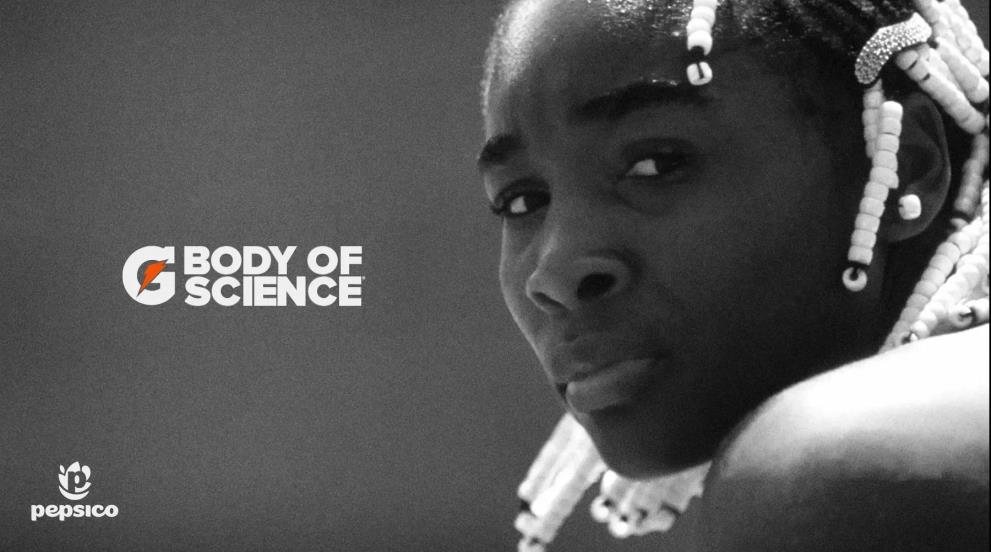
Three generational athletes who spent their careers performing at the highest level — in a world where the science was never built for them.

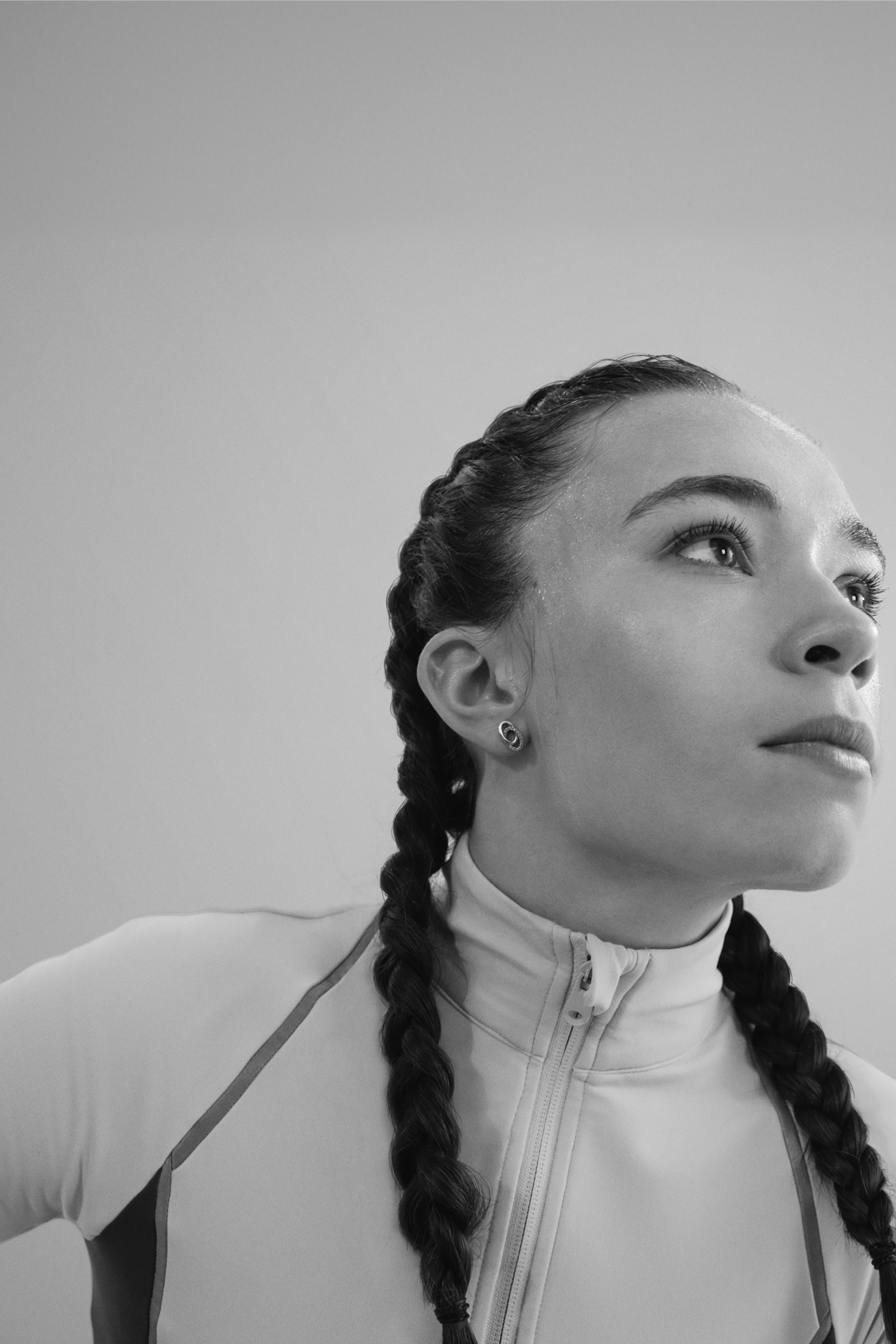
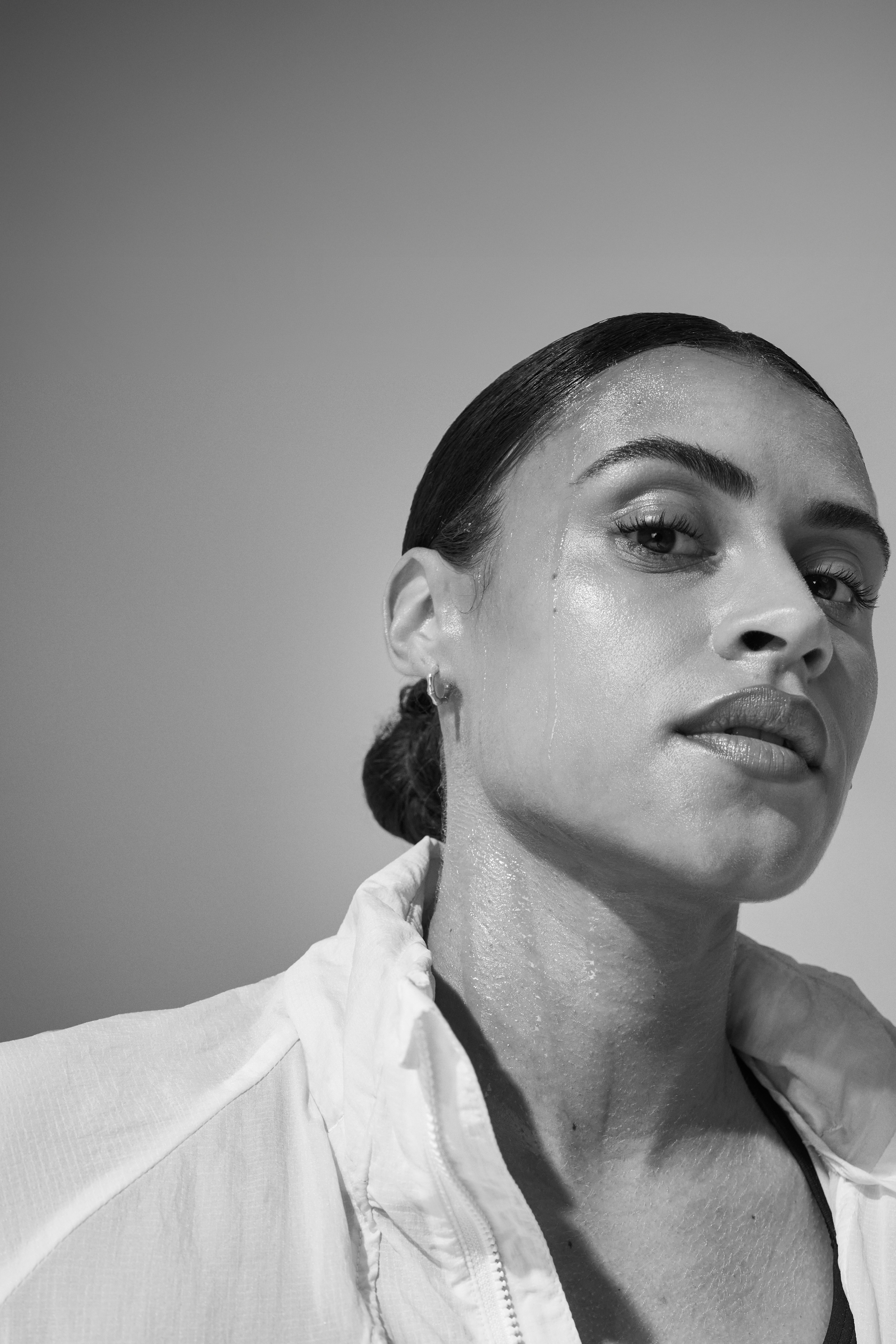
The MET Gala Execution
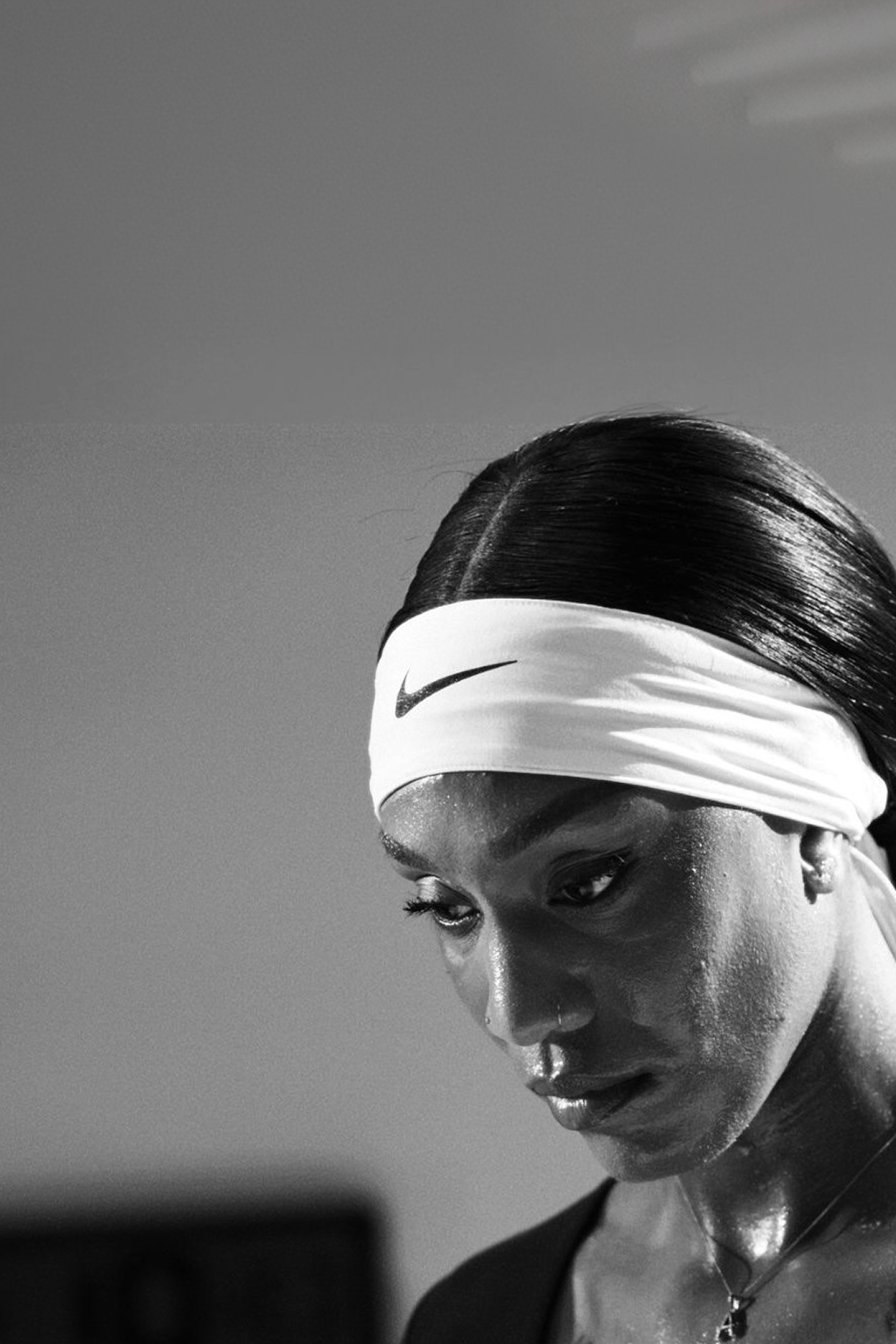
On May 4, 2026 — MET Gala Monday — Venus Williams walked the carpet wearing custom Swarovski accessories designed to make the 6% research gap visible. Not a branded lanyard. Not a logo on a dress. Jewelry that asked a question and made people look it up. Every camera on that carpet became a distribution channel for the statistic.
The red carpet wasn't the only play. Venus carried the campaign into GMA, PEOPLE, WWD, E!, and TheSkimm — each placement a different angle on the same truth. Fashion press picked up the Swarovski design story. Sports media picked up the science. Culture media picked up Venus. The message stayed consistent; the editorial frame shifted to match each audience.
On-platform, the campaign activated simultaneously: a launch film, a G.com homepage takeover, an email campaign, and collab posts from Venus, Sydney McLaughlin-Levrone, A'ja Wilson, and Lisa. Fashion influencers — outside Gatorade's usual rotation — extended the campaign into spaces the brand had never occupied, making the story feel native rather than sponsored. Mariah Rose alone delivered 6.1M+ views and 31K engagements from a single post.
The sequencing was deliberate: earned media from Venus's interviews set the cultural context, owned channels delivered the science, and influencers translated both into communities Gatorade's paid media couldn't reach on its own.
My Role
As Senior Connections Strategist, I built the connections plan that held this campaign together across earned, owned, and influencer channels. That meant mapping how the story would travel — from Venus on the MET carpet to someone encountering it for the first time in their feed days later — and making sure every touchpoint reinforced the same message without duplicating the same content.
The influencer strategy was central. Body of Science required going outside Gatorade's traditional sports-first roster and bringing in fashion and lifestyle voices who had never touched the brand. I developed the framework for identifying and onboarding those partners — what profile types could credibly carry a science-meets-fashion narrative, how to brief creators who don't operate in the sports category, and how to sequence posts so fashion press and sports press picked up the story on different days rather than competing for the same news cycle.
I coordinated the ambassador activation cadence — ensuring Venus's PR push, Sydney's and A'ja's collab posts, and the broader influencer wave built on each other rather than cannibalizing attention. I worked with the team to build the G.com homepage takeover and email strategy around peak traffic windows tied to Venus's media appearances, translating earned reach into owned conversion. The 1.9% homepage CTR and 62K profile visits in seven days were the direct output of that timing.
The 86% female viewership figure was the north star the whole plan was built around. Every channel decision, every sequencing call, every influencer choice came back to that: are we actually reaching the women we said we were going to reach?
vs. 45% Super Bowl / 49% Lower Sugar
The Science
Body of Science wasn't just a marketing campaign — it was built on real research from Gatorade Sports Science Institute scientists who had spent careers studying what the data was missing.



The Second Drop
The MET Gala put Body of Science on the map. All-Star Week had to prove it was a platform, not a stunt.
We had the first study results in hand. Chicago had the whole of women's basketball in one city for four days. The job was to take a statistic — only 6% of sports science research studies women — and make it impossible to walk past.
Make the Gap Visible
One number, everywhere. Bus shelters across Chicago. A HoopBus running the city. A "6% Tee" that turned the stat into something you could wear. Athlete posts. A panel at Gatorade's Media & Innovation Summit with Candace Parker and Dr. Kimberly Stein.
Every piece pointed to the same place: GSSI Labs, where people could actually join the research. The stat told you the problem. The link gave you a job.


Athletes Carried It
We ran one marquee athlete per day instead of stacking the feed. Each post teased a sliver of a face you already knew and made you swipe to get the rest.
Paige Bueckers' collaboration did the heavy lifting — 1.1M impressions and 33.3K engagements on its own, more than half the campaign's total. Caitlin Clark's post drew over a hundred comments, the most either Body of Science campaign has produced. A science post, and people argued about it in the replies.
The Credible Voice
The breakthrough wasn't the sports press. It was health and wellness.
We put Dr. Kim Stein in front of reporters and let her translate the study into things a person could use that afternoon. EatingWell. Nutrition Insight. Ciara Lucas' What the Hell is Well? Nearly half of all coverage named Gatorade, Body of Science, or Stein in the headline — the research led the story instead of trailing an All-Star recap.
What We'd Do Differently
Sign-ups missed. Organic impressions came in under goal. The All-Star tentpole never quite absorbed the story — the narrative didn't align with the W's own, so our coverage stood beside the moment instead of inside it.
The creator work underdelivered too. The HoopBus and OT Emma content hit their impression targets and little else, and the athlete collaboration posts were accepted late — Paige's more than a day after it went live, straight through the window where it mattered most.
The fix is unglamorous: lock athlete acceptance before launch, pair the bus with marquee names, and let creators work in the format their audience already follows.
My Role
I built the connections plan for the week — where the message ran, in what order, and how the OOH, the bus, the athlete posts, and the press hits fed each other rather than competing.
I also pushed for spacing the athlete drops one per day instead of clustering them. Per-post engagement landed around 8K, a 1.72% rate, well above where the MET Gala run sat.
Trust What's Inside
Football — the global kind — is the world's sport. And for decades, Gatorade had been in the background of it: on the sidelines, in the coolers, but not in the story. This campaign changed that. "Is It In You?" is Gatorade's original question from 1965, but turned outward at a new generation of global footballers who earn everything through relentless, unglamorous preparation.
The brief was simple but hard: make Gatorade mean something in football culture. Not just as a hydration brand, but as the brand that understands what it actually takes to compete at the top of the sport. No luck. No shortcuts. No cheat codes. Just preparation, science, and sweat.
Campaign Film
"Gatorade has been there for footballers for decades... this campaign is a celebration of the unrelenting sweat they put in. No shortcuts, luck or cheat codes involved."— Mark Kirkham, Chief Marketing Officer, Gatorade
The Athletes
Six players from six nations — all at the peak of the global game. Each selected not for their marketability but for what they represent: total commitment to the process.
"Gatorade has been with me for my entire career... There's no luck involved. I trust in the process, my preparation, and the brand that's fueled me every step of the way."— Christian Pulisic
The Science
The campaign isn't just a brand statement — it's backed by 41 years of Gatorade Sports Science Institute research applied specifically to football. During a standard 90-minute match, footballers can lose between 1 and 2 liters of fluid through sweat. That loss, if unmanaged, directly compromises speed, decision-making, and endurance in the final minutes when matches are often decided.
Gatorade worked directly with the Brazilian national team on sweat testing protocols — real-world data collection from elite players in match conditions. The science isn't hypothetical. It's built on the same athletes the campaign features.